Ways to reduce idling time of fleet vehicles.

Ways-to-reduce-idling-time-of-fleet-vehicles

Fleet managers and owners have to be consistently watching out for energy efficiency of their fleets, since fuel costs account for nearly 60% of their budget in fleet management. That is why vehicle idling time is such an important factor. Fuel consumption is monitored on a daily basis, as it is the critical recurring cost incurred by the fleet business or operator.

However, the advancements in telematics devices helps the Fleet Management System (FMS) in many ways than just logging the hours to save costs. Telematics tech, such a GPS, can help with insights to look into many factors that drive cost of operations, of which vehicle idling time is a major factor.

High Cost of Idling Time. There are several reasons why idling time goes up. These reasons are – # Road Traffic conditions # Loading & Unloading time # Toll Booths # Warming Up of engine or cabin # Rest Stops # Unscheduled Stoppages (like using a Phone). But there are allowances made for the mental and emotional health of long haul truck drivers.

Excessive Idling adds to Cost. A large number of fleet vehicles suffer hours of idling time each day and such excessive idling costs the fleet business money. As a thumb rule, operators expect a 10% loss of fuel economy over a period of time owing to idle time. This also affects costing and budgeting of the fleet, as the larger the fleet, more the wastage. Excessive idling costs increases maintenance costs besides adding to running costs (fuel). Emissions also are unnecessarily generated and that causes pollution.

Using GPS Tracking. GPS tracking monitors idling better. A telematics software or a fleet management software empowered by GPS tech, is capable of recording a lot of data about the vehicle, including handling.Thus driving behaviour can be evaluated to find out over-speeding , harsh breaking and cornering. All this affects the efficiency of vehicles. So, apply methods to reduce idling time, like alerts or notifications generated by the software.

Route Optimising. The telematics can help to optimise routes for vehicle to destinations before or during the journey. It takes into account traffic conditions, detour, accidents and other possible drawbacks that affects idling time. GPS also supports in geo-fencing that helps restrict the travel beyond defined limits geographically.

Trinetra’s FMS software works on a telematics enabled system, run over a web-based platform. The GPS enabled Fleet Management software, with mobile app integration, offers numerous benefits to economically sustain fleet operations run in any kind of industry. Know more about Trinetra Wireless products and how customisation benefits you. Please visit our website – www.trinetrawireless.com. If you submit an enquiry form, we’ll respond to it as soon as possible.

Importance and Key Benefits of Fleet Management Software

Key Benefits of Fleet Management Software

Effective Fleet management is crucial for businesses that use a fleet of vehicles. It involves a range of tasks, including vehicle maintenance, tracking movement, route planning, driver management, and compliance. Traditionally managed through manual methods, this sector has undergone a significant digital transformation with the advent of fleet management software.

Potential benefits for different fleet job roles
  • Fleet Managers: Fleet managers oversee operations, optimizing vehicle performance and resource allocation to enhance safety and reduce costs, playing a crucial role in strategic decision-making and operational efficiency.
  • Transportation Manager: Transportation managers ensure smooth logistics and compliance while planning efficient routes, contributing to streamlined processes and safe transit operations, and ensuring regulatory adherence.
  • Maintenance Supervisor: Maintenance supervisors oversee vehicle maintenance, ensuring optimal fleet performance, minimizing downtime, and extending vehicle lifespan through efficient maintenance operations and scheduling.
  • Fleet Dispatcher: Fleet dispatchers coordinate schedules and plan routes, resolving real-time challenges for timely deliveries and efficient resource management, ensuring operational fluidity.
  • Driver: Drivers operate vehicles safely, contributing to safe and efficient transportation while potentially enjoying flexible schedules, autonomy, and incentives for good performance.
  • Purchase Department: Fuel management tools in the software optimize routes, cut fuel consumption, journey times and prevent theft with real-time tracking and video telematics, effectively minimizing losses.
  • Fleet Owners: Real-time data maximizes vehicle usage, lowers costs, and extends vehicle lifespan. Improved customer satisfaction through timely deliveries boosts brand loyalty and improves ROI.
Exploring the Key Benefits of Fleet Management Software

Here’s an in-depth exploration of the key benefits that cutting-edge fleet management software provides:

  • Fleet Safety: Real-time monitoring identifies unsafe driving practices, significantly reducing accidents and ensuring the safety of drivers, vehicles and the public.
  • Enhanced Vehicle Tracking: Real-time GPS tracking provides precise vehicle locations, enabling informed decision-making, efficient resource allocation, and risk mitigation during transit.
  • Maximized Vehicle Utilization: Real-time information on vehicle availability and usage optimizes the fleet’s potential, reducing downtime, idle time and maximizing resource allocation.
  • Optimized Route Planning: Advanced algorithms streamline route planning, significantly reducing transit times, fuel consumption, and operational costs by circumventing congestion and delays.
  • Extended Vehicle Lifespan: Proactive maintenance, efficient driving, and optimized routes contribute to a longer lifespan for fleet vehicles, reducing overall operational costs.
  • Theft and Misuse Prevention: Real-time tracking with Video telematics aids in preventing theft or unauthorized use, enabling prompt action to secure the vehicle and prevent losses.
  • Improved Fuel Management: Intelligent tools monitor and reduce fuel consumption by optimizing routes and pinpointing inefficiencies in driving behaviours.
  • Enhanced Customer Satisfaction: Timely deliveries and accurate ETAs develop trust and satisfaction among customers, help promoting loyalty and a positive brand image.
Applications Across Industries

Fleet management software serves diverse industries such as transportation, logistics, construction, and delivery services, meeting various needs, from monitoring temperature-sensitive cargo and trucks to ensuring regulatory compliance. Its adoption is no longer extravagance but a necessity for businesses aiming to remain profitable, competitive and efficient. The software’s multiple benefits help to streamline operations, reduce costs, and foster overall success.

Trinetra Wireless stands at the forefront of this technological shift, a digital transformation offering comprehensive fleet management solutions that empower businesses to transform their operations and succeed in the digital age.

The Importance of Driver Safety Scorecards & Performance Evaluation in Fleet Management

Driver safety scorecards

In fleet management, prioritizing driver safety, efficiency, and compliance is an essential part of improving the business. The Driver Scorecard, also referred to as the driver safety scorecard, serves as a crucial tool in achieving these goals. This system provides insights into driver behavior and performance, empowering fleet managers to optimize operations, improve safety and enhance efficiency.

What are Driver Scoring and Scorecards?

Driver scoring involves the systematic evaluation of driver behavior and performance using various metrics and criteria. A Driver Scorecard, often referred to as the driver safety scorecard or driver performance evaluation, consolidates this data into a comprehensive report, providing a holistic view of each driver’s performance over a specified period.

Advantages of Driver Scorecard:
  • Enhanced Safety: Identifies risky driving behaviors such as harsh braking or speeding, allowing proactive measures to promote safer driving practices.
  • Cost Reduction: Identifies areas of improvement, leading to reduced maintenance costs, lower insurance premiums, and decreased risk of accidents.
  • Improved Efficiency: Monitors fuel consumption, route adherence, and idle time, optimizing operations and increasing productivity.
  • Compliance Management: Ensures adherence to regulations and company policies, mitigating risks associated with violations and penalties.
  • Performance Benchmarking: Compares individual driver scores to recognize top performers and identify training needs for underperforming drivers.
Benefits of Calculating Driver Scores:
  • Offers actionable insights into individual performance.
  • Facilitates targeted coaching and training initiatives.
  • Fosters a culture of accountability and continuous improvement.
Key Criteria for Measuring Driver Performance:
  • Speeding incidents
  • Harsh braking
  • Acceleration patterns
  • Adherence to assigned routes
  • Vehicle maintenance compliance
  • Overall driving hours
Frequently Asked Questions:
  • What is a Driver Scorecard?
    A Driver Scorecard, also known as the driver safety scorecard or driver performance evaluation, is a comprehensive report that evaluates driver performance based on various metrics and criteria.
  • How is the driver scorecard report evaluated?
    The driver scorecard report is evaluated by aggregating data from telematics systems, vehicle sensors, and other sources to assess driver behavior and performance objectively.
  • What actions can drivers take to improve their scorecard results?
    Drivers can improve their scorecard results by practicing safe driving habits, attending training sessions, maintaining vehicles properly and adhering to company policies and regulations.
  • How often are driver scorecards typically reviewed and updated?
    Driver scorecards, including driver safety scorecards and driver performance evaluations, are often reviewed on a regular basis, with the frequency varying based on company policies and operational needs.

Prioritize your driver safety & performance with Trinetra Wireless. Our driver management software offer transformative driver safety scorecards & performance evaluations to optimize fleet safety, efficiency & compliance. Contact us for a demo & elevate your fleet management.

7 Critical KPIs for Fleet Performance in the Cold Chain Industry

7 Critical KPIs for Fleet Performance in the Cold Chain Industry

The cold chain industry plays a crucial role in maintaining the integrity of temperature-sensitive products throughout their journey from production to consumption. Managing a fleet in the cold chain industry comes with its unique set of challenges and demands a keen focus on performance metrics.

Key Performance Indicators (KPIs) serve as vital benchmarks, enabling fleet managers to ensure efficiency, safety and reliability within the cold chain network.

  • On-Time Delivery Rate: Timely delivery is paramount in the cold chain industry, where the slightest delay can compromise product quality and reliability. Tracking the on-time delivery rate is essential to ensure that temperature-sensitive goods reach their destination within the specified timeframe, maintaining their integrity and meeting customer expectations.
  • Temperature Compliance: Maintaining the prescribed temperature threshold throughout the transportation process is non-negotiable in cold chain logistics. Monitoring temperature compliance KPIs ensures that the cargo remains within the required temperature range, preventing spoilage and preserving product quality.
  • Vehicle Dwell Time: Dwell time, the duration a vehicle spends at a specific location, directly impacts operational efficiency. Monitoring vehicle dwell time helps identify inefficiencies in loading/unloading processes, enabling optimization and reducing unnecessary exposure of goods to temperature variations.
  • Fuel Efficiency: Fuel costs can significantly impact the operational expenses of a fleet. Tracking fuel efficiency KPIs, such as miles per gallon or litres per hundred kilometres, aids in optimizing routes, driving behaviour, and maintenance practices to reduce fuel consumption and associated costs.
  • Maintenance Costs & Downtime: Regular maintenance is crucial for keeping vehicles in optimal condition. Tracking maintenance costs and downtime helps in proactively scheduling maintenance, reducing unexpected breakdowns, and ensuring that the fleet remains operational.
  • Vehicle Utilization Rate: Optimizing vehicle usage is vital in the cold chain industry. Monitoring vehicle utilization rates helps ensure that assets are maximally utilized, minimizing idle time and maximizing the efficiency of each vehicle in the fleet.
  • Compliance and Safety Standards: Adherence to industry regulations and safety standards is non-negotiable. Tracking KPIs related to compliance and safety ensures that fleets operate within legal limits and maintain the highest standards of safety, reducing the risk of accidents or regulatory non-compliance.

In the cold chain industry, tracking vital KPIs is crucial for preserving cargo integrity and meeting customer demands. Trinetra Wireless provides cutting-edge fleet management software and GPS tracking systems, essential tools for efficiently monitoring and enhancing these KPIs. Focusing on these metrics empowers fleet managers to make informed decisions, streamline operations and uphold best-in-class performance and reliability in the cold chain sector.

How Tipper Lorry GPS Tracking Systems Enhance Fleet Efficiency, Safety & ROI

Tipper Lorry GPS Tracking System

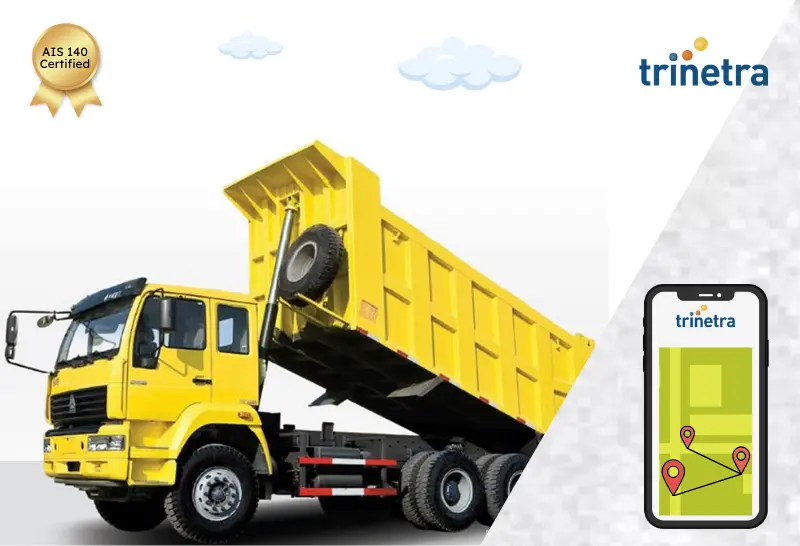
Fleet management is one of the most important aspects of companies relying on tipper lorries, such as construction, mining, and waste management industries. GPS tracking systems highly improve fleet operations in efficiency, safety, and return on investment.

Key Features of Tipper Lorry GPS Tracking Systems:
  • Real-time tracking & geofencing: Monitor the locations of the vehicle, track on-time delivery, and restrict operation areas.
  • Route & Fuel Optimization: plan optimum routes, saves the fuels, and identify any siphoning or stealing.
  • Driver Monitoring & Video Telematics: Monitor speeding, harsh braking, and unsafe driving behaviors with video footage of the incident that happened real-time for increased accountability and investigation.
  • Overload & Idle Monitoring during On load: Track vehicle activity and optimize fuel usage to avoid cargo discrepancies, overloading.
  • Maintenance Alerts: Schedule timely servicing to keep vehicles in peak condition.
  • Accident & Tilt Detection: Receive instant alerts for accidents or tilts to enable swift responses.
  • Driver ID & Compliance: Identify drivers for accountability and ensure regulatory adherence with AIS 140 GPS devices.
  • Trip History & Analytics: Access detailed logs of past trips to improve decision-making and overall performance.
How do These Features Drive Benefits?
  • Improved fleet efficiency: With real-time tracking, route optimization, and on-load monitoring, delay reduction, fuel saving, and improvement in productivity are possible.
  • Improving Safety Levels: Driver behavior monitoring, video telematics, and accident/tilt detection allow for safe driving, with real-time tracking allowing emergency responses to be made promptly.
  • Maximizing ROI: Lower fuel and maintenance costs, overload detection, and efficient use of vehicle time contribute to higher profitability. Running and idle monitoring further optimizes fuel consumption.

Ready to elevate your fleet management? Contact us today to explore how our GPS tracking solutions can transform your tipper lorry operations!

Time to Save Money! The 5 Ways to Stop Diesel Theft!

stop diesel theft from vehicles

Are you tired of losing money due to theft? You’re not the only one. For fleet managers, transporters and vehicle owners, diesel theft presents a persistent challenge that can significantly affect the bottom line. The good news is that there are some effective ways to mitigate this problem and save your hard-earned money. Here are five strategies that can help you stop diesel theft:

Implement GPS Tracking Systems:

One of the most powerful tools to combat diesel theft is GPS tracking technology. By installing devices in vehicles, you can monitor their location in real-time and receive alerts if they tamper with locks, deviate from planned routes or enter unauthorized areas. This allows you to quickly identify any suspicious activity, such as fuel stops prolonged in remote locations where theft may occur or tampering with locks can happen..

Install Fuel Monitoring Devices:

Fuel monitoring system provides detailed insights into consumption patterns, allowing you to detect anomalies that indicate fuel theft. These sensors or devices can measure levels accurately and alert you of any sudden drops that cannot be accounted for by normal usage. Combining monitoring with GPS tracking helps pinpoint the exact time and location of incidents to take immediate corrective action.

Secure Tanks:

Many cases occur due to easy access to tanks. To prevent unauthorized access, consider locks or locking caps or tank security devices. Physical barriers make it difficult for a thief to siphon off fuel from vehicles and act as a deterrent against attempts to steal fuel.

Conduct Regular Inspections and Audits:

Regular inspections of your fleet, devices and fuel stations are necessary for detecting and preventing theft. Train your staff to look out for signs of tampering or unauthorized access to tanks, such as broken seals or unusual wear and tear. Conducting audits of fuel consumption records and comparing them with tracking data can help identify discrepancies that may indicate fuel theft.

Educate and Train Your Staff:

Your employees play a crucial role in preventing theft. Educate them about the risks and consequences of theft and provide training on how to recognize and report suspicious activity. Encourage a culture of vigilance and accountability within the organization, where everyone is responsible for safeguarding company assets.

At the conclusion, diesel theft presents a significant challenge to fleet owners and managers in fleet management. However, with Trinetra Wireless’s advanced solutions, including GPS tracking systems and fuel monitoring devices, it is possible to effectively combat this threat and protect your assets. Take pre-emptive steps today to secure your fleet against theft and save money in the long run.

To learn more about how our cutting-edge technology can empower your fleet and help you regain control of your operations, ensuring maximum efficiency and profitability, contact Trinetra. Don’t let diesel thieves drain your profits – safeguard your assets with Trinetra Wireless’s fuel management software.

Why Fleet Maintenance is Important for Your Fleet Businesses?

Fleet maintenance software

The transport and logistics sector is a primary user of fleet management, as maintaining optimal vehicle performance is crucial for sustaining their business. Cutting-edge fleet maintenance management software and GPS vehicle tracking systems are designed to keep a fleet of vehicles in top condition. Let’s explore why fleet maintenance is vital for your fleet business.

What is Fleet Maintenance Management Software?

Fleet maintenance management software is a comprehensive solution designed to streamline the upkeep of vehicles within a fleet. It encompasses various functionalities, including scheduling maintenance tasks, tracking vehicle performance, managing repair histories and more.

How it Works

The software operates by centralizing all maintenance-related data, allowing fleet managers access to efficiently monitor and manage the health of their vehicles via the software. Through automated alerts and notifications, it ensures timely servicing of vehicles and minimizes the risk of unexpected breakdowns.

Why it’s Important
  • Cost Savings: Proactive maintenance reduces the likelihood of costly repairs and extends the lifespan of vehicles, ultimately saving money in the long run for the fleet owner.
  • Enhanced Safety: Well-maintained vehicles are safer to operate, reducing the risk of accidents and ensuring the well-being of drivers and other road users.
  • Improved Efficiency: Regular maintenance keeps vehicles running smoothly, minimizing downtime and maximizing productivity and punctuality.
  • Regulatory Compliance: Adhering to maintenance schedules helps fleet businesses stay compliant with industry regulations and avoid penalties.
  • Enhanced Reputation: Maintaining a well-kept fleet is reliable and reflects positively on your business, instilling trust and confidence in your customers.
Benefits
  • Optimized Operations: Streamline maintenance processes and thus increase operational efficiency.
  • Real-time Monitoring: Track vehicle health and performance in real-time for proactive decision-making.
  • Reduced Downtime: Minimize unexpected breakdowns and keep vehicles on the road running.
  • Data-driven Insights: Gain valuable insights into fleet performance and maintenance trends for informed decision-making.
  • Improved Customer Satisfaction: Deliver reliable services to customers through well-maintained vehicles to improve customer experience.
Common FAQs
  • How often should fleet vehicles undergo maintenance?
    Maintenance frequency depends on various factors such as vehicle type, usage, and manufacturer recommendations. However, regular inspections are typically recommended for any vehicle.
  • Can fleet maintenance software integrate with existing systems?
    Yes, modern fleet maintenance software often offers seamless integration capabilities with other fleet management tools and systems.
  • Is training required to use fleet maintenance software?
    Most fleet maintenance software platforms are user-friendly and come with comprehensive training and support resources.

Investing in fleet maintenance management software is essential for thriving in today’s competitive markets. Our state-of-the-art solutions are tailored to meet your fleet management needs. Take charge of your fleet’s maintenance today and optimize its performance. Contact us now to learn more.

Importance of GPS Tracking in Waste Management: Manage Waste Like Never Before

Importance of GPS Tracking in Waste Management

In our rapidly developing world, waste management has become a critical aspect of not only urban development but of environmental sustainability too. As cities and towns expand continually, the need for effective waste management solutions also grows.

What is Waste Management GPS Tracking Software?

Waste Management GPS tracking software is a cutting-edge solution designed to streamline and enhance the entire waste management process. This software integrates Global Positioning System (GPS) technology with a centralized management system, allowing real-time monitoring and control of waste collection and disposal operations and their related assets.

Key features include:

a) Real-time Tracking: Track the location and movement of waste collection vehicles in real-time, providing a live overview of the entire fleet operations

b) Route Optimization: Optimize waste collection routes to minimize fuel consumption, reduce travel time, and enhance overall operational efficiency.

c) Collection Bin Level Monitoring: Monitor the fill levels of waste bins in real-time, enabling proactive scheduling of collection routes based on actual demand.

d) Geo-Fencing: Set up virtual boundaries to ensure waste collection vehicles adhere to designated routes, or areas, promoting on-time collections and route compliance.

e) Reporting and Analytics: Generate detailed reports and use analytics to analyse performance in real time, identify trends, and make data-driven decisions for continuous improvement and cost savings.

Benefits of Waste Management GPS Tracking Software:

a) Improved Operational Efficiency: GPS tracking allows waste management companies to optimize routes, reduce fuel consumption, and enhance overall operational efficiency, leading to cost savings and a more sustainable waste management process.

b) Real-time Monitoring and Management: With live tracking capabilities, supervisors can monitor the location and activities of waste collection vehicles in real-time, ensuring better resource management and a quick response to any operational challenges or emergencies.

c) Route Optimization for Fuel Efficiency: By leveraging GPS data, waste management companies can optimize collection routes, help in minimizing fuel consumption and reducing the environmental impact of their operations.

d) Enhanced Customer Service: GPS tracking enables accurate and reliable tracking of waste collection schedules, providing customers with real-time updates and improving overall customer satisfaction.

e) Proactive Maintenance: Monitor the health of waste collection vehicles and equipment through GPS tracking, allowing for proactive maintenance to prevent breakdowns or disruption and costly repairs.

Manage Waste Like Never Before:

GPS tracking in waste management revolutionizes waste control plans. Real-time visibility empowers fleet managers to optimize routes, to reduce fuel consumption, and enhance overall efficiency. This monitoring technology not only ensures peak operational performance but also significantly lowers the carbon footprint, contributing to an eco-friendly waste management approach.

Implementing GPS tracking in waste management also marks a transformative step towards efficient resource utilization and minimal environmental impact. Get a free demo today!

Importance of GPS Tracking for Blue Metals and Gravel Trucks in Fleet Management

GPS Tracking for Blue Metals and Gravel Trucks

Efficient fleet management is vital for industries transporting blue metals and gravel. GPS tracking systems provide real-time insights to optimize operations, improve safety, and maximize profitability while addressing common challenges in the industry.

Key Features of GPS Tracking for Blue Metals and Gravel Trucks:
  • Real-Time Tracking with Route Optimization & Geofencing: Monitor where vehicles are in real-time, optimize routes to prevent delays and fuel waste, and ensure trucks operate in authorized areas for improved safety and compliance.
  • Load Monitoring & Overload Limit Switch: It monitors the loading and unloading process, thereby limiting overloading through limit switches and tracks idle hours so that vehicle wear and tear can be reduced and wastage of fuel minimized.
  • Driver Monitoring with Video Telematics: Measures driving behavior, including speeding, hard braking, and hard acceleration. Real-time video telematics maximizes accountability, enhances safety, and facilitates incident investigation.
  • Fuel & Running Hours Tracking: Track the fuel levels, consumption pattern, and running hours for detection of inefficiencies, prevention of fuel theft, and optimization of maintenance schedules.
  • Maintenance Alerts & Kilometer Tracking: Receive automated servicing reminders and track kilometers flown directly from the dashboard in order to better plan for maintenance or optimize operational efficiency.
  • AIS 140 GPS Devices & Driver ID: Ensure regulatory compliance by using driver identification for improvement in accountability and smooth operations with the use of government-approved AIS 140 devices.
  • Accident/Tilt Detection & Safety Measures: Get instant alerts on accidents or tilts that will allow for faster response time and less downtime.
  • Trip History Reports & Analytics: Review detailed logs of your previous trips to analyze its performance, optimize routes as needed, and identify areas for fleet operation improvement.
Benefits for Fleet Management:
  • Enhanced Efficiency: With real-time tracking, route optimization, and load management, it reduces delays, enhances fuel efficiency, and increases productivity.
  • Improved Safety: Tracking driver behavior, video telematics, and tilt detection improve safety, decrease accidents, and adhere to requirements.
  • Higher Return on Investment (ROI): Optimized operation, reduced maintenance costs, and improved fuel management mean enormous savings in costs and efficiency in profitability.
Invest in GPS Tracking Today!

Revolutionize your blue metals and gravel truck fleet operations with advanced GPS tracking solutions. Contact us now to discover how our systems can enhance efficiency, safety, and ROI.

Enhance Fleet Management with GPS Tracking and WhatsApp Integration

Fleet Management with GPS Tracking and WhatsApp Integration

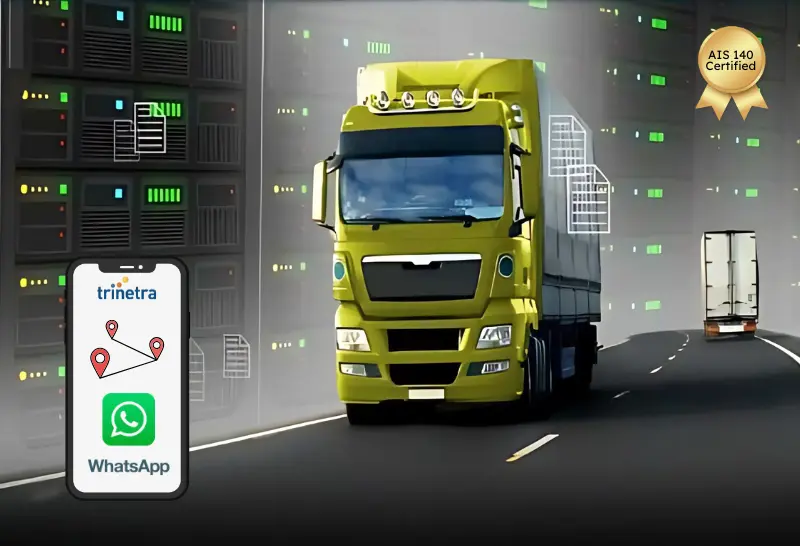
Integrating GPS vehicle tracking with WhatsApp API redefines fleet monitoring by delivering real-time updates and alerts through a familiar, accessible platform. This seamless integration combines technology with convenience, empowering businesses to manage their fleets efficiently. Let’s explore how this integration works and its benefits.

1. Set Up GPS Tracking Data Collection

The foundation of this integration lies in reliable GPS data collection and a robust backend system.

  • Connect GPS Devices to the Backend:
    Ensure GPS devices are configured to transmit real-time data, including:

    • Location: Exact coordinates of the vehicle.
    • Speed: Real-time monitoring of vehicle velocity.
    • Time Logs: Accurate timestamps for event tracking.
  • Establish a Server Backend:
    Use a scalable server to process and store incoming data while enabling communication with the WhatsApp API.
2. Automate Notifications with Triggers

Automated notifications keep users informed about vehicle activities without constant monitoring.

  • Geofencing Notifications:
    Set up geofences to alert users when vehicles enter or exit designated areas.

    • Example: “The delivery vehicle has entered the customer location.”
  • Event-Based Alerts:
    Trigger alerts for specific events like:

    • Overspeeding: “Alert! Vehicle X exceeded the speed limit.”
    • Sudden Stops: “Warning: Vehicle X made an abrupt stop.”
    • Unauthorized Movements: “Vehicle X is operating outside scheduled hours.”
3. Optimize Notifications for Better User Experience
  • Interactive Features:
    • Location Pins: Include a clickable pin in WhatsApp messages for easy navigation.
    • Media Attachments: Send route maps or images for enhanced clarity.
  • WhatsApp Message Templates:
    Use pre-approved templates to ensure smooth delivery of notifications. Examples include:

    • Location Updates: “Vehicle X is currently at [Location Pin].”
    • Speed Alerts: “Warning! Vehicle X is overspeeding.”
    • Geofence Alerts: “Vehicle X has exited the warehouse boundary.”
  • User-Centric Customization:
    Design concise, informative messages that provide essential details at a glance.
4. Benefits of GPS Tracking and WhatsApp Integration
  • Real-Time Monitoring: Receive instant updates without relying on additional apps.
  • Ease of Use: WhatsApp’s familiar interface makes notifications more accessible.
  • Proactive Security: Geofence and movement alerts help prevent unauthorized activities.
  • Improved Decision-Making: Quick, accurate updates enable faster responses to incidents.

Integrating GPS vehicle tracking with WhatsApp API offers a smarter way to manage fleets. By setting up an efficient backend, automating notifications and focusing on user-friendly features, businesses can transform their operations with real-time insights and seamless communication.

Take fleet monitoring to the next level with GPS and WhatsApp integration!

Enquire for

Free Consultation

    Name

    Mobile

    E-mail

    Company

    Designation

    City/Country

    Message